Maternal mental health is often discussed through the lens of “baby blues” and postnatal depression, yet for some women the reality is far more severe — escalating into psychiatric crises that can go unnoticed until they reach breaking point. Jade was diagnosed with postpartum psychosis in 2021, four months after giving birth to her daughter Penelope. She reflects on her experience, from the first warning signs to crisis, recovery, and now raising awareness for other mothers.
“It all started with bad anxiety, I was struggling with the thought of leaving the house. At my 6 week check-up I took the courage to speak to my doctor, but she just told me to speak to my health visitor about it, which I did and she just brushed it off to be honest, which led to my anxiety getting worse and I experienced my first suicidal thought when Penelope was a few months old, that’s when I knew something wasn’t right, so I went back to my health visitor again and was told not to put a label on it. In terms of when it turned into postpartum psychosis, I knew something wasn’t right leading up to the days of my first psychotic episode, I think the issue with psychosis is, you start losing touch of reality and there is a lot of confusion, so I wasn’t really able to understand what was going on, I never experienced anything like this before or even know about it or what to look out for, but the days leading up to my first psychotic episode, is when my family knew something wasn’t quite right and that wasn’t until I was four months postpartum.”
“My symptoms that I had building up to my episode, I started having really bad intrusive thoughts about harm coming to my daughter, whether that was from myself or others, I started experiencing paranoia and losing sense of time, I was becoming fixated on completing a task because if I didn’t do it by that particular time then something bad would’ve happened. I thought people could read my mind, which became distressing because of the intrusive thoughts I was experiencing.”
“I wasn’t sleeping well, it got to the point where I became quite manic and didn’t feel the need to sleep, at one point at the build-up to my psychosis episode, I had less than 10 hours of sleep over the period of one week, I was very sleep-deprived. When I was in full psychosis, I was experiencing hallucinations, seeing, and hearing things that were not there.
Research published by the UK Parliament’s POSTnote on perinatal mental health found that pregnancy and the year after birth — known as the perinatal period — is a time when women are particularly vulnerable to mental health difficulties, including depression, anxiety, post-traumatic stress disorder, and psychosis. Approximately one in four women in England experiences perinatal mental health problems, which is around 130,000 women each year. Women’s experiences with maternity care can affect their mental health, despite the improvements in satisfaction with the NHS maternity care and mental health support, national review shows that support can vary across regions and that delayed, dismissive, or poor-quality care can cause lasting distress.
The findings reflect Jade’s own experience of seeking help where early concerns were repeatedly dismissed before her condition escalated into crisis. “In the beginning, it took a bit of time, I spoke with my doctor and I said to my doctor that I believe I may have postnatal depression, they got a doctor to call me and prescribed me anti-depressants over the phone. They did keep checking in on me, I would say that was ok, but I probably needed a bit more support, and should of had someone from the parental team or mental health team reach out to me, but I didn’t know they existed at the time, this is why I’m so passionate now about raising awareness, because there was so much I didn’t know and should’ve been made aware of. Mums should be told this information just in case of an emergency so they know where they can go or who they can speak to. Although when I did hit crisis, I cannot fault the support of health care professionals, once I was in the mother and baby unit, everyone really did look after my daughter and me.”
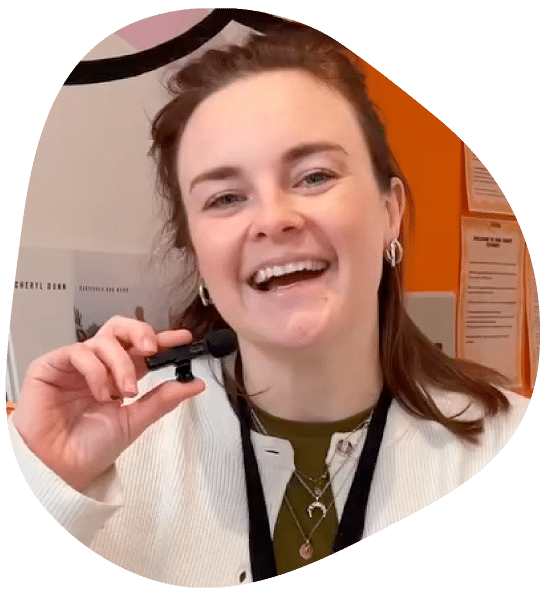
Casey, a parent therapist with the charity Early Years Alliance, works primarily with the parents and children aged four to 11. The organisation takes a parent-led approach, supporting families in ways that best meet their child’s wellbeing needs.
“I think that ways family could step in and support could be alleviating some of the physical tasks that need to be done but also the mental tasks too. If you don’t have a partner, having someone you can depend on and who doesn’t make you feel guilty for asking for support, I think the isolation that we feel now as mothers, really hits hard on our mental health, but having someone you can lean on creates a safe space.”
Before a woman gives birth, there are often NCT classes that occur where it focuses heavily on sleep, the temperature of the room for the baby, and breastfeeding. Casey explores the idea of pre and postnatal care in the mental health sector and to bring in mental support before a mother has her baby.
“I really do not feel there is enough preparation for the identity shift that is going to occur when a mother has a baby, and the repercussions of that on your psyche. There also is not enough knowledge around the inevitable fact that babies and children make us think about what it was like to be a baby and a child. And if in our childhood there were some issues around our emotional and psychological care, it’s going to surface lots of feelings that you’re not conscious of, so I think there is no preparation for the psychological part of motherhood, if there was we would go into motherhood with a little more understanding and less pressure on ourselves. Even adding psycho education into these practical-based programmes that they have could help.”
Due to the lack of education out there on postpartum psychosis, it has changed Jade’s life completely. “It has made me appreciate the small things, and because I really suffered with the depression after the psychosis, now that I am in a much better place. Whenever I experience joy, it feels like my joy has doubled, because I was in such a dark place and did not see a way out. It has given me a whole sense of empathy and understanding with humans, and how complex the brain is. Even though I wish it had not happened to me, I am grateful it has given me this new sense of life.”
Just as Casey explained the knowledge that should be provided to mothers pre-birth, Jade is also hoping for the same change. “I would like to see more information provided to pregnant mums, around maternal mental health and where they can get help. At the 6 weeks check there should be more emphasis around the mum also and how they are doing, and referrals to charities and just in general normalise talking about the mental health struggles we may experience and give mums the space to open up and be honest without shame attached as well.”
Any parent who is struggling and wants to seek help. Casey wants women to know why they should not feel shame. “The services are there to support you in the best way possible, they aren’t there to make your life difficult, but of course there is a power dynamic between you as a patient and a health professional, but its also knowing you have the support, and you always have a voice, so if you do end up saying to a midwife that you are feeling low and the midwife suggests things that you are not comfortable with, please always share what does not feel right.”
“I also want to mention the systemic factors that can make women potentially suffer more with poor mental health, for example women living in poverty, or if they are from a marginalised community, or if they are a care leaver. These are factors that could make someone more vulnerable to experiencing mental health issues in pregnancy and after. Mental health issues are universal and working in the borough of Lewisham with lots of diverse types of people, communities, and classes. We can go from working with someone who lives in Forest Hill who lives in a massive home, and someone who lives in a women’s refuge. So mental health really does vary.”
Jade’s message is “I want mums to ask for help and not feel ashamed, it doesn’t make you any less of a mother asking for support, I think it makes you a stronger mum for speaking up and asking for the help you need. We need to not put so much pressure on ourselves, be gentle and kind to ourselves, and know how amazing you are doing.”
For parents struggling with their mental health, support is available through organisations including Mindful Mums, Action on postpartum Psychosis.
(Instagram @jadelloyd)